

Many people in Indiana ask the same question before they ever sign up for crane certification classes: do you need years of construction experience before training even makes sense? In most cases, the answer is no. What you do need is a realistic understanding of the work, a safety-first mindset, and training that explains the basics clearly instead of assuming you already know the industry.
This FAQ guide is for beginners, career changers, current construction workers, and anyone comparing crane operator training Indiana options. It explains what first-time students can start now, what requirements matter, how NCCCO crane certification training fits into the process, and how to judge whether crane training is a practical next step in Indianapolis or elsewhere in Indiana.
Short answer: can beginners start crane certification training?
Yes, many beginners can start crane certification classes without a long construction background. That said, beginners should not confuse “able to start” with “already prepared for every part of the job.” Crane work is safety-critical. Training exists to teach fundamentals, build exam knowledge, and help students understand the standards and responsibilities that come with operating, rigging, or signaling around cranes.
This is why so many new students ask the question in the first place. They know crane work carries serious responsibility. They may have seen crane operators on major projects in Indianapolis or around Indiana job sites and assume that only experienced laborers can enter the field. In reality, a structured training program can introduce the industry basics that many first-time students are missing.
For someone with no direct crane exposure, the better question is not “Am I too inexperienced to begin?” but “Am I ready to learn safely, study seriously, and follow the certification path step by step?” If the answer is yes, beginner-level preparation can be a practical starting point.
What beginners can realistically do
- Learn crane terminology, components, and lift basics
- Prepare for written certification exams
- Understand load charts, setup concepts, and safety rules at an introductory level
- Train for practical exam expectations with coaching and repetition
- Explore related pathways such as rigging and signal person certification
What beginners should not assume
- Certification is not the same as full field experience
- Passing an exam does not remove the need for employer evaluation and site-specific training
- Crane school requirements still matter, even if you are changing careers
- Entry-level crane operator training still requires focus, discipline, and safety awareness
If you are trying to understand the overall process of how to become a crane operator, it helps to look at training as one part of a larger path that includes certification, practical skills, and employer readiness.
What background do you actually need before enrolling?
You do not always need prior crane job experience before enrolling in crane certification classes, but you should expect some basic readiness requirements. A training provider may explain expectations around identification, scheduling, physical ability for practical tasks, and the type of certification you are pursuing. Employers may also have separate hiring requirements after training.
For Indiana students, the most important distinction is this: training providers help you prepare for certification, while employers decide who is qualified for a specific role on a specific site.
Basic readiness matters more than prior job titles
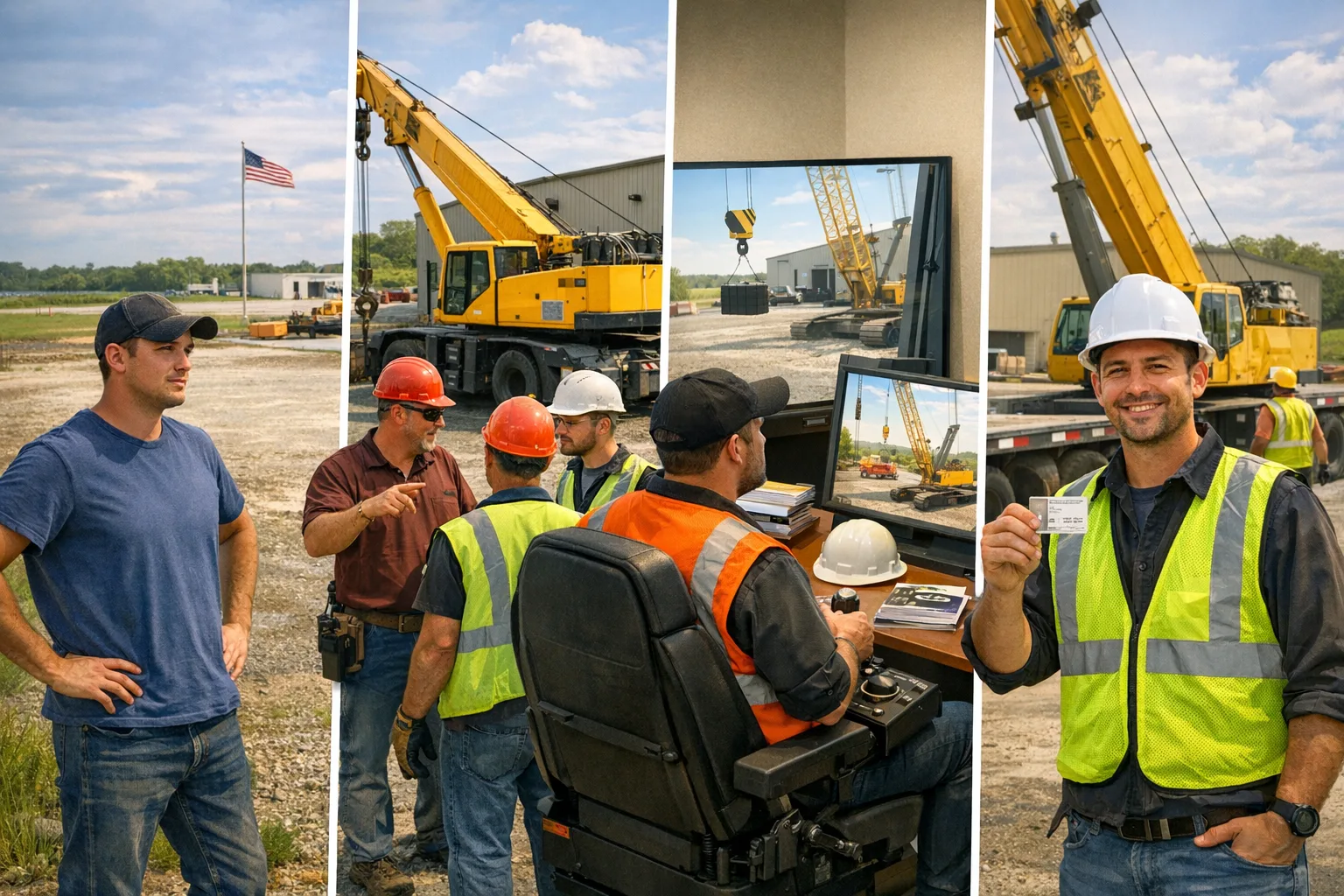
Aspiring students often think they need to have worked as a rigger, laborer, or equipment helper for years before they can even attend class. That is usually not the right way to think about it. Many first-time students come from related work backgrounds such as:
- General construction
- Warehousing or industrial settings
- Driving or equipment-related jobs
- Mechanical trades
- Completely different careers with no jobsite background at all
What matters more is whether you can handle technical instruction, follow safety procedures, and commit to studying. Crane operator training is not casual. Beginners who do well tend to take notes, ask direct questions, practice terminology, and spend time reviewing what they were taught.
Requirements versus preferences
When people search for crane school requirements, they often mix together three different things:
- Training enrollment requirements — what you need to attend class or exam prep
- Certification requirements — what the certifying body requires for testing and credentialing
- Employer hiring requirements — what a company wants before putting someone on a crew or in a seat
Those are not the same. This is one of the biggest sources of confusion for beginners. A person may be eligible to attend training and prepare for exams even if they do not yet meet every employer preference for an entry-level crane operator position.
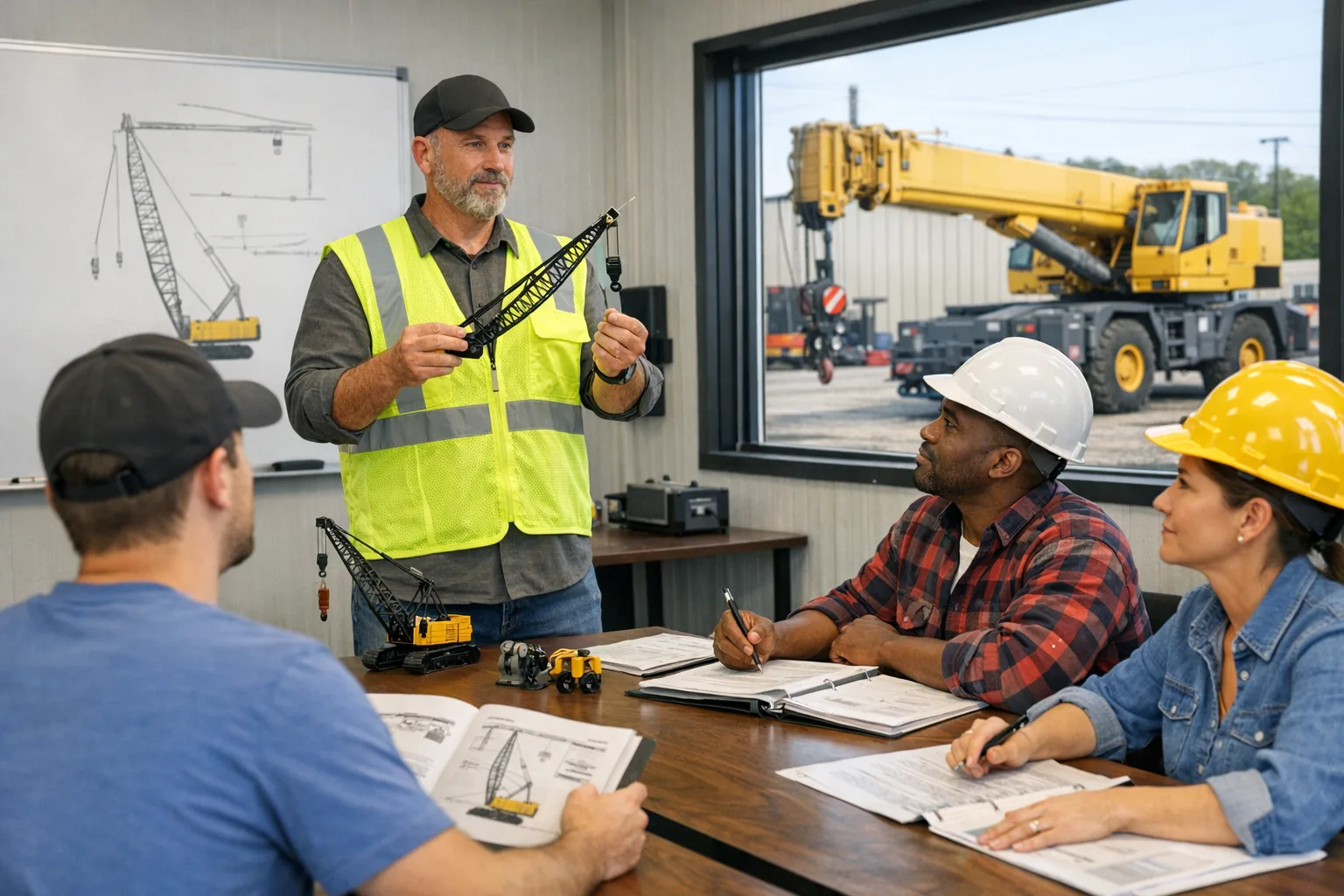
For a broader look at the path and expectations, review become a crane operator requirements. That helps separate training decisions from hiring assumptions.
Do you need construction experience in Indiana?
Not always. Indiana employers may value construction familiarity because it helps with jobsite awareness, communication, and safety culture. But that does not mean every new student must already have years on a crew before beginning NCCCO crane certification training. Beginners can still build a foundation through structured instruction.
If you are in Indianapolis and comparing schools, ask direct questions about how the program handles first-time students. A program that works well for experienced operators may move too fast for a complete beginner. The right fit depends on your starting point.
What crane certification classes teach first-time students
Good crane certification classes should not assume that every student already knows the language of lifting operations. For entry-level learners, a quality training process introduces the basics in an organized way and then builds toward exam preparation and practical performance.
Core topics beginners often need first
- Crane types and common uses
- Basic safety principles
- Site hazards and setup awareness
- Load handling concepts
- Hand signals and communication roles
- Introduction to load charts and lift planning concepts
- Inspection awareness and operating responsibilities
This is why first-time students should not be discouraged if they feel unfamiliar at the start. Training exists to bridge that gap. A beginner is not expected to walk in already understanding every technical term. The point is to learn them accurately and apply them correctly.
How training can introduce industry basics for beginners
For someone entering from outside construction, the early challenge is often vocabulary and context. Terms that experienced crews use every day can feel new and technical. A practical course helps students learn what the parts of the crane do, what common hazard areas are, why communication matters, and how mistakes happen.
That foundation matters not just for the exam, but for future job readiness. A student who understands why a procedure exists tends to learn more effectively than a student who is trying to memorize answers without understanding the work.
Written and practical prep are different skills
Many students focus only on the written side because the exam feels more immediate. But NCCCO practical exam preparation is separate from book knowledge. First-time learners need to understand that written test success and practical test success require different types of preparation.
Written preparation often involves:
- Studying terminology
- Reviewing safety rules and responsibilities
- Understanding crane categories and operational concepts
- Learning how exam questions are framed
Practical preparation often involves:
- Following instructions carefully
- Controlling movement precisely
- Practicing sequence and consistency
- Staying calm under test conditions
Beginners can absolutely make progress in both areas, but they should not underestimate the discipline involved.
Related paths for riggers and signal persons
Not everyone entering the field needs to start with the same certification goal. Some people are better positioned to begin with rigging or signal person training, especially if they want a role that supports crane operations while building industry experience.
If that is your situation, review the crane rigging certification guide and the signal person certification requirements. These paths can help new workers understand crane operations from the ground level while developing safety knowledge that transfers to broader lifting work.
Common mistakes beginners make when comparing programs
When people compare crane training programs from zero experience, they often focus on the wrong details first. That can lead to a poor fit, unrealistic expectations, or unnecessary frustration.
Mistake 1: assuming every school teaches beginners the same way
Some programs are better suited to experienced workers who already understand construction basics. Others are more practical for true beginners. Ask whether instruction is designed to explain concepts from the ground up or whether it assumes prior field familiarity.
Mistake 2: comparing only by price
Crane training cost Indiana searches are common, and cost absolutely matters. But the lowest upfront number is not always the clearest value if the program does not match your experience level or certification goal. Instead of asking only, “What does it cost?” ask:
- What training and exam prep are included?
- Is practical exam preparation part of the process?
- Does the course explain requirements clearly?
- Is the program built for beginners, experienced operators, or both?
Realistic cost guidance means understanding what you are paying for, not chasing a shortcut.
Mistake 3: thinking certification automatically equals employment
Certification is important, but certification alone does not create jobsite judgment, communication skills, or employer trust. A new student should see certification as a credential that supports hiring conversations, not as a guarantee of a crane seat immediately after class.
Mistake 4: overlooking safety culture
If a program talks mostly about passing quickly and very little about responsibility, that should raise questions. Beginners need safety-first instruction. OSHA crane and derrick standards and related employer responsibilities exist because crane work affects everyone in the lift area, not just the operator.
Mistake 5: choosing a path that does not match the actual role you want
Someone who wants to work around lifting operations may not need the exact same path as someone targeting operator work immediately. If you are uncertain, compare operator, rigger, and signal person pathways honestly. That saves time and reduces confusion.
How certification, hands-on practice, and job readiness fit together
This is where many first-time students need the clearest explanation. Training, certification, and employability are connected, but they are not interchangeable.
Training teaches and prepares
Training gives you instruction, structure, and guided preparation. This is where beginners learn the terminology, safety concepts, test expectations, and practical methods they need to move forward. Good training also helps students understand what they still need to work on.
Certification verifies a standard
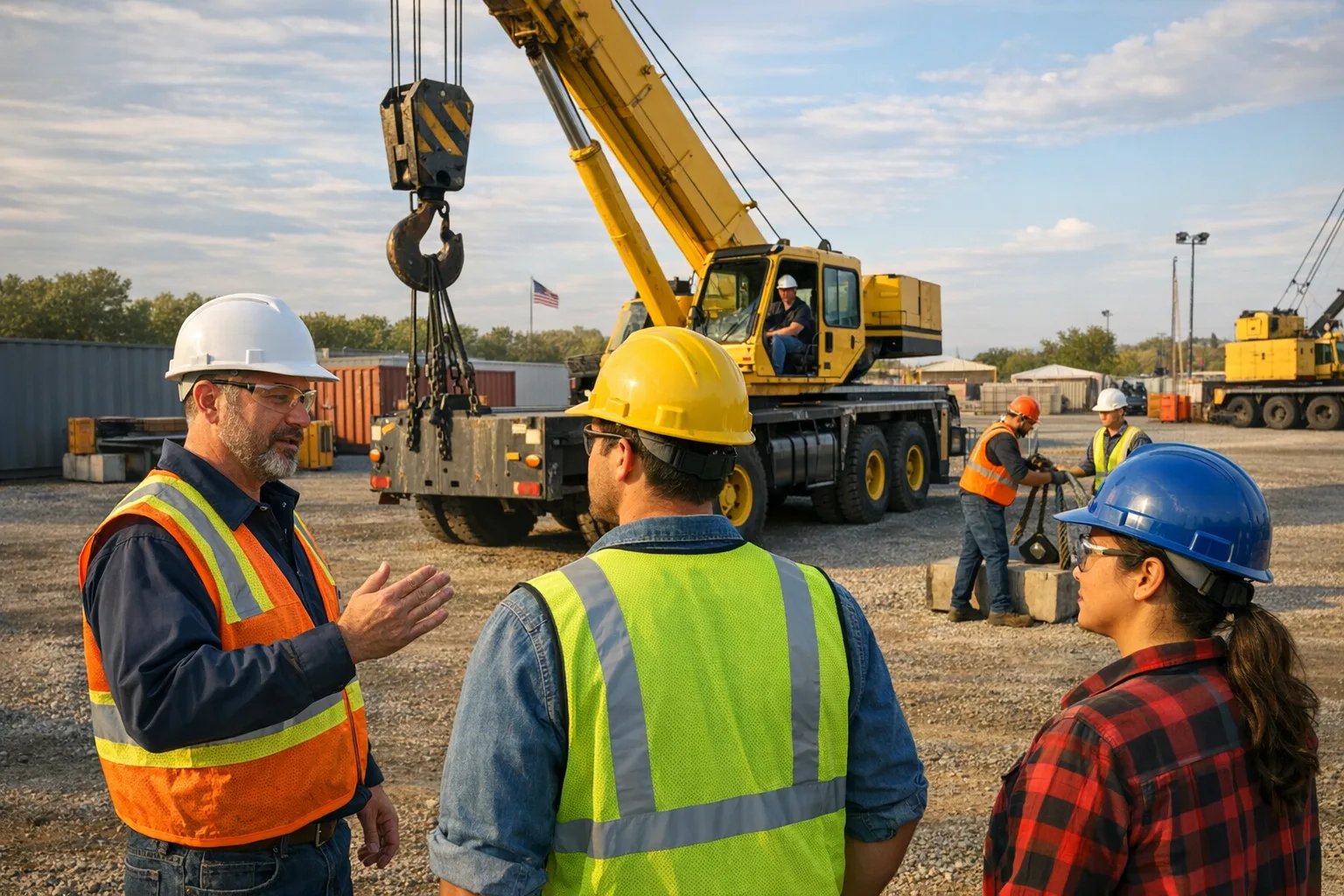
NCCCO crane certification training is aimed at helping candidates prepare for recognized certification exams. Certification matters because it shows that you met a defined testing standard. It does not replace employer evaluation, but it is a meaningful part of the process.
Hands-on practice develops control and confidence
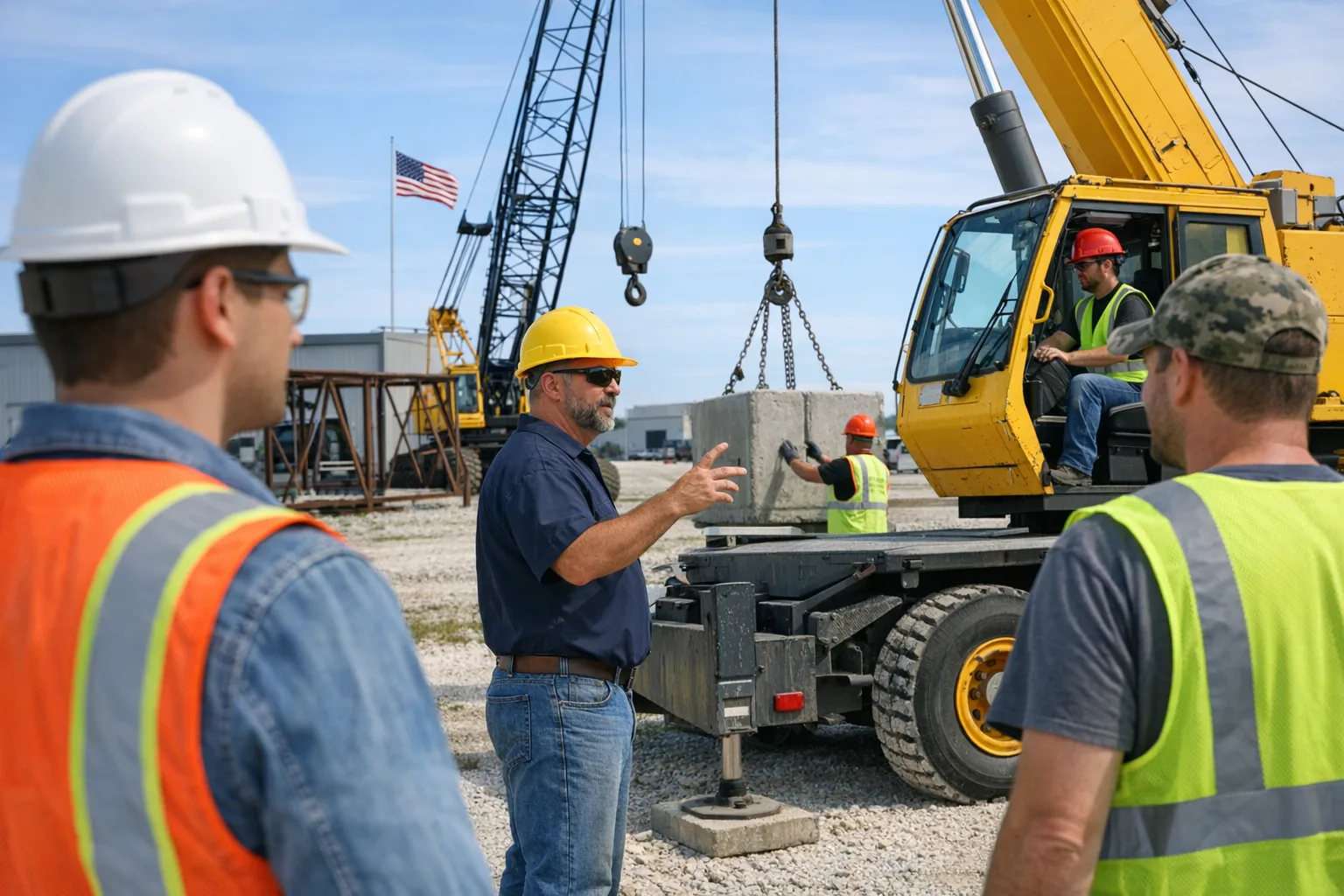
For first-time learners, practical repetition matters. It helps students connect classroom concepts to actual crane movement, communication, sequence, and test procedures. This is one reason beginners should not rely on online summaries or secondhand advice alone. Crane work is technical, and practical skill develops through guided practice and repetition.
Job readiness involves more than passing
Employers may look for more than a credential. They may evaluate:
- Safety attitude
- Reliability and punctuality
- Ability to take instruction
- Basic jobsite communication
- Awareness of limits and willingness to keep learning
For that reason, the strongest beginner mindset is not “I just need to pass,” but “I need to become trainable, responsible, and useful on a crew.” That approach serves career changers especially well.
Study habits that help first-time learners
If you have never worked around cranes before, habits matter. Students who improve steadily often do the following:
- Review notes the same day after class
- Practice terms until they can explain them in plain language
- Ask questions early instead of hiding confusion
- Treat safety rules as operational knowledge, not trivia
- Prepare for written and practical portions separately
This is also why “how to become a crane operator with no experience” should never be approached like a shortcut search. A better approach is to look for structured, accurate preparation and then build from there.
What Indiana students should consider before choosing a school
If you are comparing crane operator training Indiana options, local practicality matters. Indianapolis-area students and others across Indiana should think about scheduling, travel, the type of certification needed, and whether the program fits their current work background.
Questions to ask before enrolling
- Is this program suitable for a true beginner?
- What certification path does it prepare me for?
- How is practical exam preparation handled?
- Are rigging or signal person options available if those are a better first step?
- What should I study or understand before class begins?
Indiana-specific practical factors
Students in Indiana often compare training against work schedules, commuting distance, and whether they are changing careers entirely or building on existing trade experience. Someone in Indianapolis may be balancing current construction work while preparing for a certification upgrade. Another student may be coming from warehousing, trucking, or manufacturing and trying to judge whether crane work is a realistic move.
In either case, local trade education options matter. If you are weighing crane training against other skilled-trade paths, look at trade training options in Indiana to compare where crane certification fits among other vocational directions.
How to choose a program that supports entry-level students
A good beginner-friendly program should do more than list certifications. It should help you understand the pathway, the purpose of each step, and the difference between classroom learning, exam prep, and field expectations. That clarity is especially important for people with no construction background.
Look for signs that the training is practical and direct:
- Clear explanation of what first-time students will learn
- Honest discussion of challenge level and safety responsibilities
- Specific guidance on exam preparation
- Respect for students who are serious but new to the field
Be cautious of anything that sounds like the work is effortless or that downplays the importance of preparation. Entry-level crane operator training should open the door, not create false confidence.
When it makes sense to take the next step
You may be ready to move forward with crane certification classes if several of the following are true:
- You want a skilled-trade path with clear safety standards and technical expectations
- You understand that certification is important but not the entire career path
- You are willing to study, practice, and accept correction
- You want direct answers about operator, rigger, or signal person pathways
- You are comparing training options in Indiana and want to avoid wasting time on the wrong program
You may want more guidance first if you are still unclear on what role fits you best, what the requirements are, or whether your current background lines up better with operator training or a related lifting credential.
Frequently asked questions
Do I need construction experience before taking crane certification classes?
No, not always. Many beginners can begin training without years in construction. What matters is your ability to learn technical material, follow safety procedures, and commit to serious preparation.
Can I pass crane operator training if I have never worked around cranes before?
Yes, it is possible, but you should expect a learning curve. First-time students often need extra attention to terminology, load concepts, safety rules, and practical exam routines. Passing is more realistic when the program supports beginners and the student treats study seriously.
What are the basic requirements to start crane certification training in Indiana?
The exact requirements depend on the training path and the certification goal. In general, students should be ready for structured instruction, exam preparation, and practical performance standards. It is also important to separate training eligibility from employer hiring requirements.
Will certification alone help me get an entry-level crane job?
Certification can strengthen your qualifications, but it is not the same as being fully job-ready. Employers may still evaluate your judgment, trainability, safety attitude, and ability to work within a crew.
How do I compare crane training programs if I am starting from zero?
Ask whether the program is designed for beginners, what certifications it prepares you for, how practical prep is handled, and whether rigging or signal person training might be a better first step. Compare clarity and fit, not just price.
Final takeaway
Many Indiana students can begin crane certification classes without a long construction resume. The key is understanding what training does and does not do. It can teach the basics, prepare you for certification, and help you build a safer, more informed starting point. It does not remove the need for discipline, practice, employer evaluation, or continued learning.
If you are unsure whether crane operator training, rigging certification, or signal person preparation makes the most sense for your background, Train For The Crane can help you compare options in plain language. Call (317) 385-7190 to ask about requirements, training paths, and what would be a practical next step based on your current experience level and certification goal.