

Why Safe Work Practices Matter More Than Ever
Safe work practices are the foundation of a workplace where everyone goes home safely. Whether you’re operating a crane or working in a warehouse, following safety guidelines can prevent a life-changing accident.
Quick Answer: Safe Work Practices are:
- General safety guidelines that outline how to perform tasks with minimum risk.
- Broader policies that complement detailed, step-by-step procedures.
- Essential controls developed through hazard analysis and worker consultation.
- Legal requirements that employers must establish and maintain.
- Living documents that adapt to changing conditions and lessons learned.
Statistics show that over 30% of workplace accidents result from preventable slips, trips, and falls. Safe work practices are not just about avoiding the worst-case scenario; they’re about weaving safety into every task. They give workers the tools to identify hazards, understand risks, and protect themselves and their coworkers.
For those in construction, manufacturing, or warehousing—or seeking certifications like NCCCO—mastering safe work practices is non-negotiable. It’s about developing the professional habits that define skilled workers.
This guide covers what safe work practices are, how to develop them through job hazard analysis, and how to implement them effectively. Understanding these fundamentals is crucial for your entire career.
What Are Safe Work Practices? The Foundation of Workplace Safety
Let’s start with the basics. A Safe Work Practice (SWP) is a policy that lays out the general safety rules for a specific task. Think of it as the big-picture view that helps workers understand what they need to do to stay safe and why it matters. The purpose of safe work practices is to ensure everyone understands the principles of working safely and knows how to control hazards.
SWPs are often confused with Safe Job Procedures (SJPs), but they serve different functions. An SJP is a detailed, step-by-step guide that walks you through a task from start to finish. If an SWP tells you the “what” and “why,” an SJP tells you the “how.”
Together, they create a complete safety framework that prevents injuries and ensures compliance with legal requirements. For more insights, check out these resources on Practices and Procedures.
| Feature | Safe Work Practice (SWP) | Safe Job Procedure (SJP) |
|---|---|---|
| Definition | General guidelines or policies for performing tasks with minimum risk. | Step-by-step instructions for safely completing a specific task. |
| Scope | Broader, covers general safety principles for a task or type of work. | Specific, detailed, chronological steps for one particular job. |
| Purpose | Informs workers of hazards and how to safeguard against them generally. | Guides workers through a task to minimize specific risks. |
| Focus | What to do, why it’s important, and general safety rules. | How to do it, in what order, and with what specific precautions. |
| Development Basis | Job Hazard Analysis (JHA), Hazard Risk Assessment (HRA), legislation. | JHA, incident investigations, supplements to SWPs. |
| Example | “Always wear appropriate PPE when using hand tools.” | “Step 1: Don safety goggles. Step 2: Select correct wrench size.” |
The Importance of a Proactive Approach
A proactive approach to safety means getting ahead of problems before they happen. It’s about preventing accidents, not just reacting to them. For example, over 30% of workplace accidents are caused by preventable slips, trips, and falls. Clear SWPs addressing housekeeping and proper footwear can eliminate these incidents.
When you identify hazards and establish clear guidelines, you create a genuine safety culture. This isn’t just corporate jargon—it means building a workplace where everyone feels responsible for safety. As organizations like Safe Work Australia emphasize, a safe workforce leads to higher morale, increased productivity, and fewer injuries.
SWP vs. SJP: Understanding the Key Difference
To put it simply, a Safe Work Practice is a policy. An SWP for power tools might state: “All workers must select the right tool for the job and ensure it’s in proper working order.” It outlines principles that apply broadly.
Because SWPs are general, they can adapt to changing conditions. The practices for working on a roof in summer will differ from the same task in winter, requiring separate SWPs for different environmental hazards.
A Safe Job Procedure, in contrast, is a specific, detailed process. Following the power tool example, an SJP for a circular saw would detail the exact steps: inspect the saw, clear the work area, put on PPE, position your hands correctly, make the cut, and then unplug and store the saw safely.
An effective safety program needs both. The SWP provides the safety philosophy, and the SJP provides the safety playbook. You need both to ensure every task is performed correctly and safely.
Building Your Safety Framework: The Role of Job Hazard Analysis (JHA)
You can’t protect against hazards you haven’t identified. That’s where the Job Hazard Analysis (JHA) comes in. It’s a structured process of hazard identification, risk assessment, and determining the right control measures to eliminate or minimize those risks.
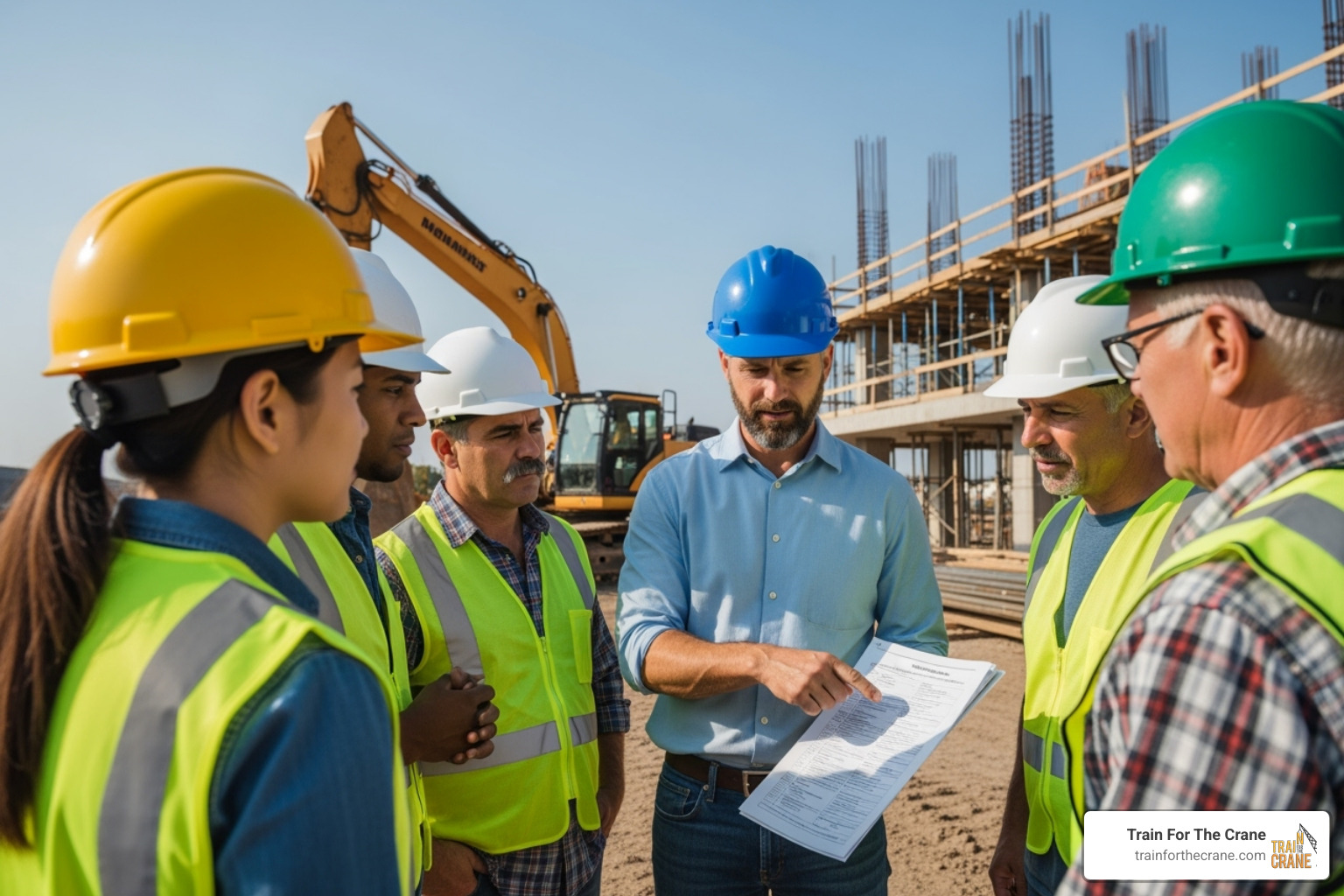
A JHA is a team effort. While the employer is responsible for the analysis, the most valuable insights come from worker consultation. The people doing the job every day know the real-world risks and practical challenges. Their input is essential for creating effective protection.
For a deeper dive into managing workplace risks, the Code of practice – how to manage work health and safety risks offers comprehensive guidance.
How to Conduct a Thorough Job Hazard Analysis
The JHA process begins by breaking down job tasks. Prioritize jobs based on injury history, potential severity, or complexity. A crane operation, for instance, would be a high priority.
Next, observe the job and break it into basic, concise steps. For each step, identify potential hazards by asking, “What could go wrong here?” Consider the full spectrum of dangers:
- Physical hazards: Unguarded machinery, sharp edges, electrical shock, excessive noise, fall hazards, or poor lighting.
- Chemical hazards: Dust from cutting, fumes from welding, gases, or flammable liquids.
- Ergonomic hazards: Awkward postures, repetitive motions, or heavy lifting that can cause musculoskeletal injuries.
- Biological and psychosocial hazards: Bacteria, viruses, stress, or fatigue.
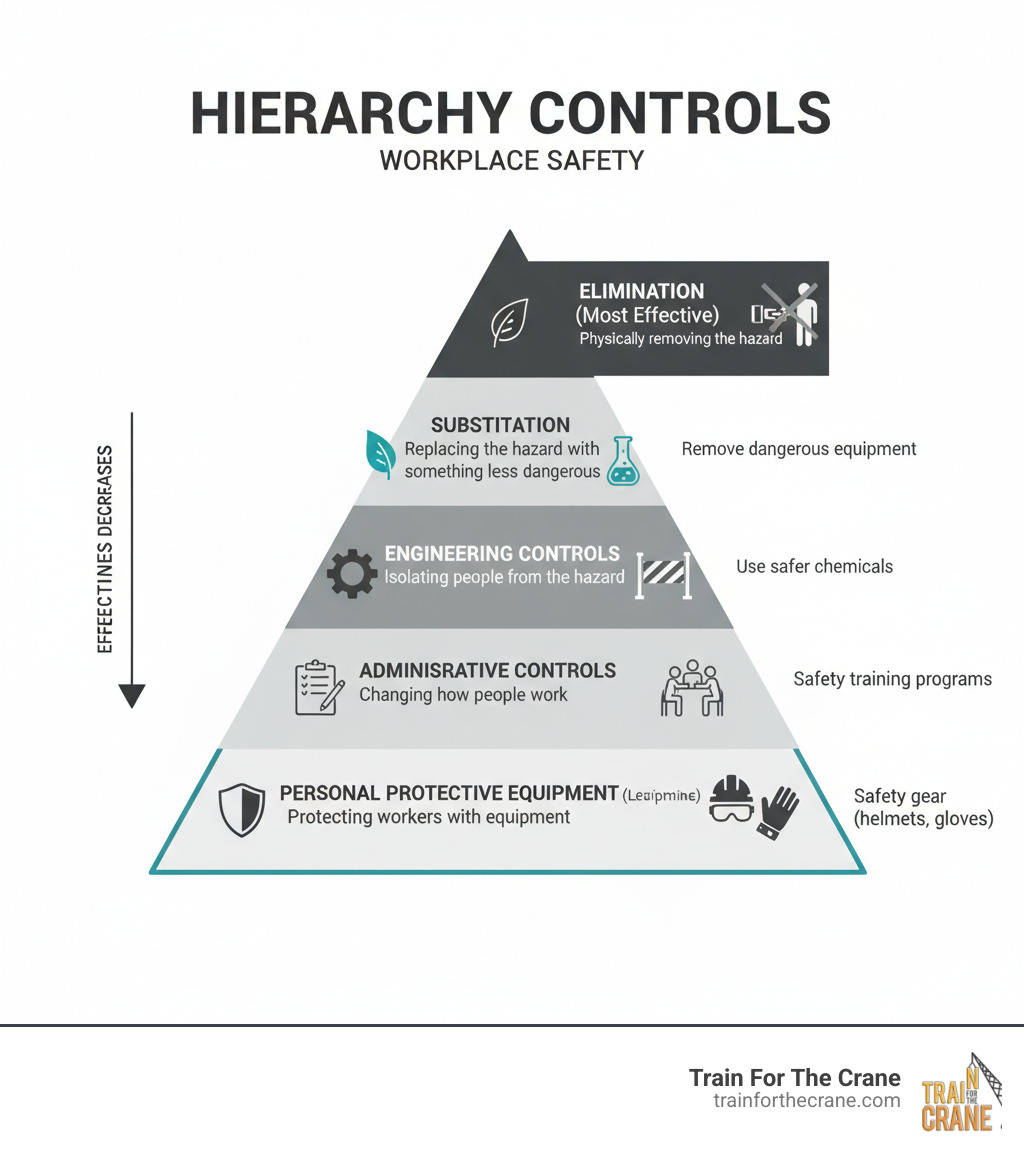
Finally, define preventive measures for each identified hazard. Use the hierarchy of controls: start by trying to eliminate the hazard, then substitute it with something safer. If that’s not possible, use engineering controls (like machine guards), followed by administrative controls (like training). Personal protective equipment (PPE) like safety glasses and footwear should be your last line of defense.
From JHA to a Documented Safe Work Procedure
A JHA’s true value comes from turning its findings into a documented procedure that workers can use. This document serves as both a training tool and a reference guide.
Key components of a documented procedure include:
- Task description, department, and management approval with signatures.
- Creation and review dates (procedures should be reviewed at least every three years).
- A list of potential hazards identified in the JHA.
- Required PPE and any required training or certifications.
- Common signs of musculoskeletal injury for physically demanding work.
- Brief emergency procedures.
- Numbered, step-by-step instructions written in clear, active language.
- References to relevant legislation or manuals.
These documented procedures must be readily available to workers. At Train For The Crane, we’ve seen how clear procedures transform safety from an abstract concept into daily practice. Our students in signal person training or basic rigging training learn procedures built on this type of thorough hazard analysis. Supervisors are crucial in ensuring these procedures are followed consistently.
Implementing Effective Safe Work Practices: A Shared Responsibility
Creating a safe workplace is a shared responsibility. Safe work practices only succeed when they are acceptd by management, supervisors, and workers alike. When everyone understands their role, safety becomes a natural part of the workday, creating a culture where concerns are heard and everyone goes home safely.
Organizations like OSHA recognize this collaborative approach, outlining clear OSHA Worker Rights and Protections | Occupational Safety and … that provide a framework for ensuring everyone has a voice in staying safe.
Key Responsibilities for a Safer Workplace
Clarity is key to safety. Everyone must know what is expected of them.
-
Management sets the tone. They are responsible for providing resources (equipment, training, budget), establishing safety policies, creating incident reporting systems, and ensuring the overall health and safety program is effective. Safety metrics should be a key part of performance evaluation.
-
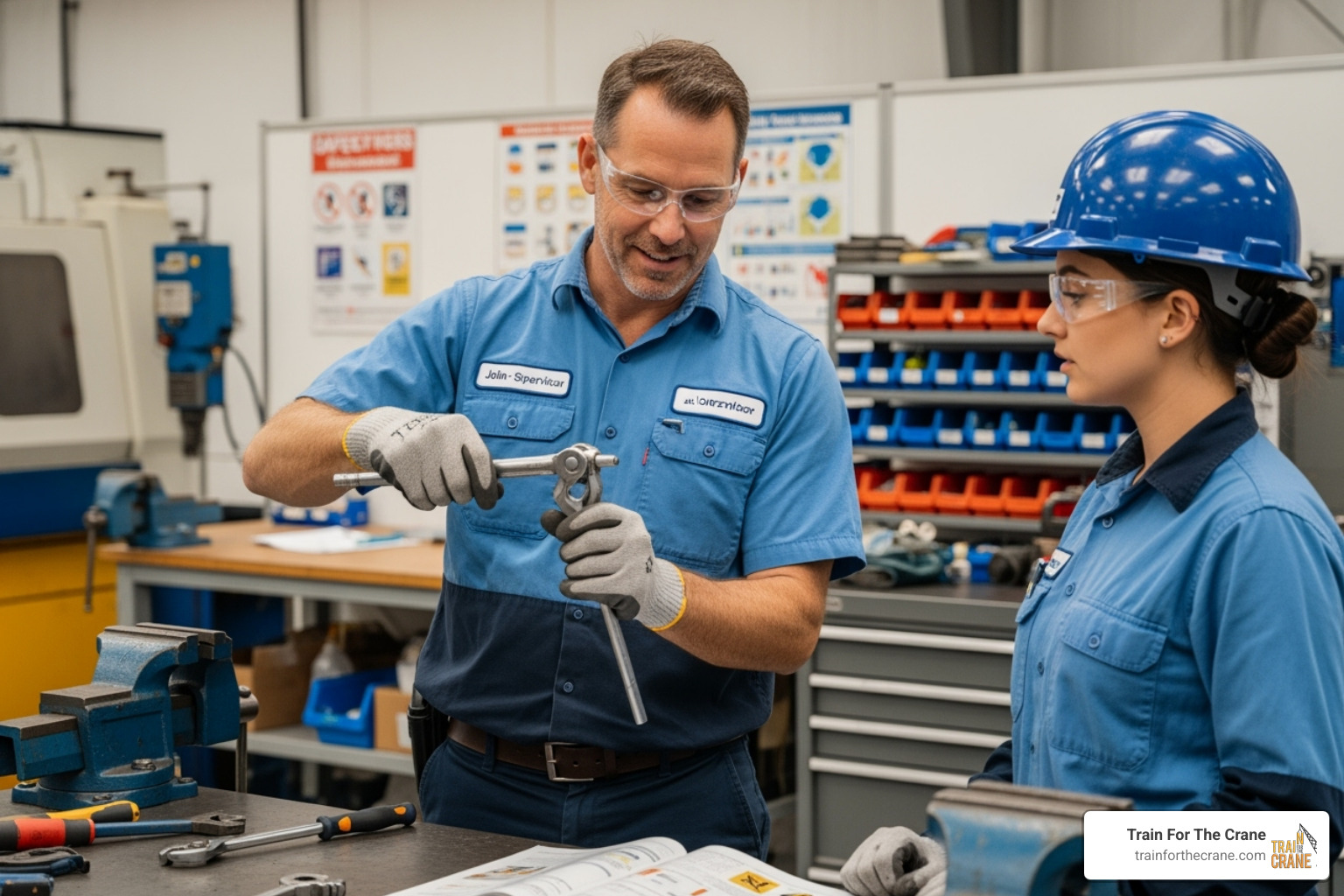
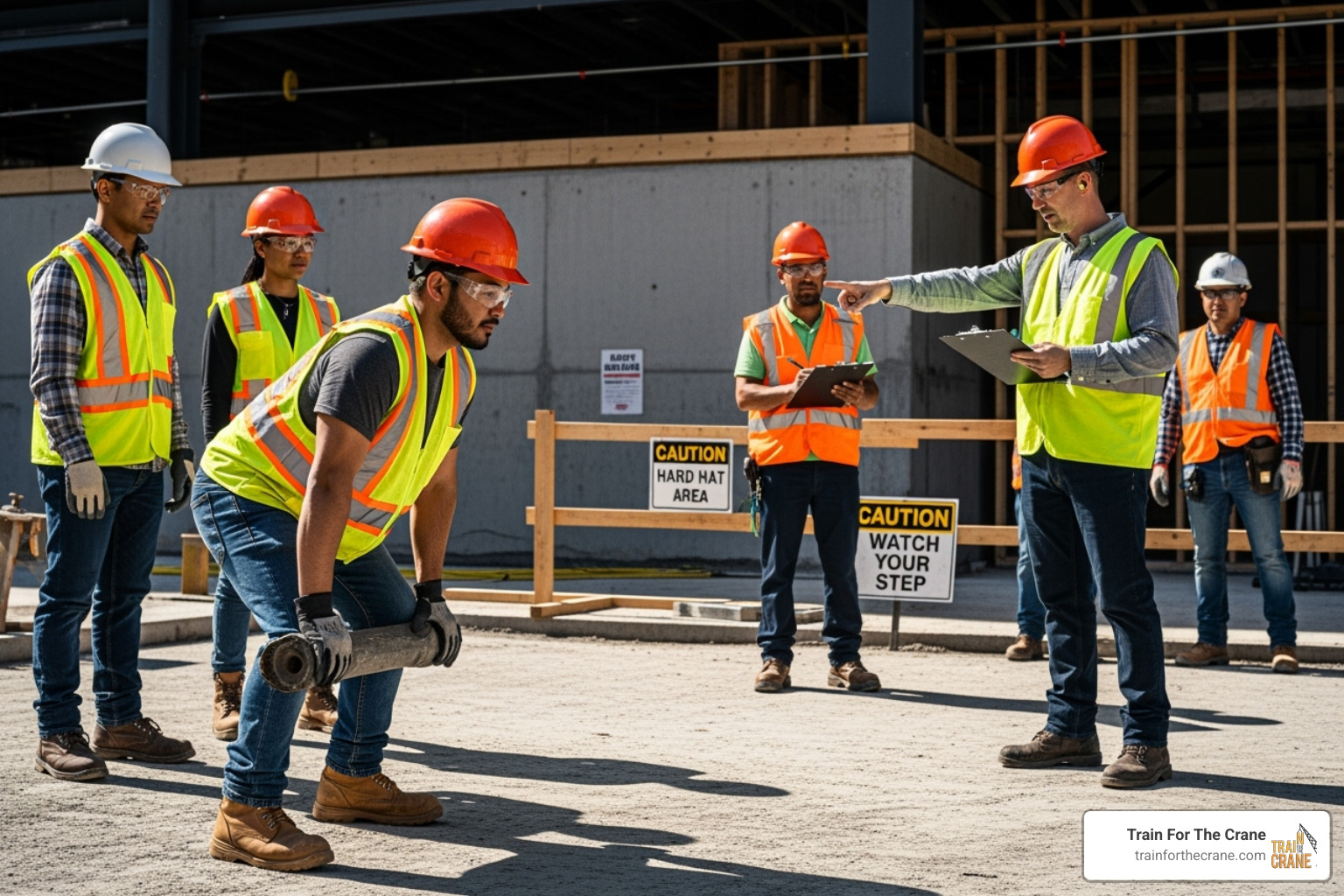
Supervisors are the bridge between policy and practice. They instruct workers on safe methods, enforce rules fairly, correct unsafe acts, and ensure only qualified workers perform specific tasks. They also conduct workplace inspections and investigate incidents to prevent recurrence.
-
Workers are the hands-on implementers of the safety system. They are responsible for using and maintaining their PPE, following all safe work practices, and complying with regulations. Critically, workers must report all injuries, unsafe conditions, and near-misses immediately, as this information can prevent future incidents.
Ensuring Buy-In and Compliance with safe work practices
You can’t force people to care about safety, but you can create an environment where it’s the natural choice. The most effective safe work practices are developed with input from the workers who perform the job. This involvement creates ownership and results in more practical, realistic procedures.
Training is what brings a procedure to life. Hands-on, practical instruction is essential. For complex tasks like crane work, experienced instructors are vital. They pass on not just the mechanics but the judgment and situational awareness that keep people safe. That’s why our NCCCO crane operator training is led by instructors with over 30 years of combined experience, using proven methods to ensure safety.
Positive reinforcement, such as acknowledging good safety practices, helps build a strong culture. When violations occur, the focus should be on education and correction. Finally, safe work practices require regular review and updates—at least every three years, or more often when conditions change, such as with new equipment or after an incident. Events like Safe + Sound Week | Occupational Safety and Health Administration are great opportunities to refocus on safety and celebrate progress.
SWPs in Action: From General Industry to Specialized Tasks
Safe work practices are living tools that must adapt to your workplace. Whether in a warehouse, on a construction site, or in a manufacturing plant, your SWPs must respond to changing conditions like weather and new equipment.
For example, working on a roof in summer requires practices focused on heat stress and hydration, while the same job in winter demands a focus on slip prevention and cold stress. Similarly, when new equipment arrives, you must review and update your SWPs. The manufacturer’s manual is a starting point, but you must adapt its guidelines for your specific environment.
Even something as common as hand tools requires clear safe work practices. Key principles include: always select the right tool for the job, ensure it’s in good condition, and use it only as designed. Keep workspaces clean and always wear appropriate PPE, such as eye and hearing protection. These general rules form the basis for more detailed procedures, as outlined in resources like Safe Work Practices.
Integrating SWPs into Your Overall Health and Safety Program
Safe work practices do not exist in a vacuum; they are a critical part of your overall occupational health and safety (OH&S) program. A strong OH&S program includes policy statements, defined responsibilities, health and safety committees, worker training, and regular inspections.
It also covers hazard identification and control (where your JHAs and SWPs fit in), incident investigation, emergency planning, and first aid. SWPs are where the program’s principles become actionable instructions. For guidance on building a comprehensive program, OSHA’s Recommended Practices for Safety and Health Programs – OSHA is an excellent resource.
Adapting your safe work practices for high-risk jobs
While all jobs need safety procedures, high-risk occupations demand an extra level of detail. Work like chainsaw operation, asbestos abatement, or crane lifting requires safe work practices customized to the specific, severe hazards involved.
For crane operations—our specialty at Train For The Crane—the stakes are incredibly high. A single mistake can be catastrophic. That’s why industry standards like ASME B30.2 exist, spelling out operator responsibilities in detail.
Our training programs dive deep into the safe work practices for crane lifting safety. We teach students how to create a critical lift plan that accounts for all variables. Our basic rigging training covers proper equipment selection and inspection, while our signal person training ensures clear communication.
With over 30 years of combined instructor experience, we don’t just teach students to pass a test—we prepare them to work safely in complex, high-stakes environments where following adapted safe work practices is the difference between going home safely and not going home at all.
Frequently Asked Questions about Safe Work Practices
What’s the difference between a Safe Work Practice and a Safe Job Procedure?
This is a common and important question. Think of it this way:
-
A Safe Work Practice (SWP) is a broad policy or general guideline. It explains the “what” and “why” of safety for a type of work (e.g., “Always maintain clear sightlines around heavy machinery”).
-
A Safe Job Procedure (SJP) is a detailed, step-by-step instruction manual. It explains the “how-to” for a specific task (e.g., “Step 1: Check hydraulic hoses for leaks. Step 2: Verify safety devices are functional.”).
You need both: the SWP provides the safety principles, and the SJP provides the exact actions to perform a task safely.
How often should Safe Work Practices be reviewed?
Safe work practices are not static documents. They must be reviewed at least every three years as a baseline. However, a review is also necessary whenever:
- New equipment or processes are introduced.
- An incident or near-miss occurs.
- New hazard information becomes available.
- Job conditions change, such as with seasonal weather.
Regular reviews ensure your safety guidelines remain relevant and effective in protecting your team.
Who is responsible for creating Safe Work Practices?
The employer holds the ultimate legal responsibility for creating and implementing safe work practices. Management has the authority and accountability to establish these standards.
However, the most effective SWPs are created through collaboration. Involving supervisors, health and safety committees, and the workers who perform the tasks every day leads to more practical and effective procedures. This collaborative approach also builds buy-in and ownership, which is crucial for creating a strong safety culture. While management is responsible, making it a team effort produces the best results.
Conclusion
Mastering safe work practices means embedding a proactive safety culture into your workplace. These guidelines, developed through Job Hazard Analysis and supported by shared responsibility, are the foundation of injury prevention. In high-risk sectors like construction and manufacturing, continuous improvement and adaptation are essential for protecting lives.
Specialized training is paramount for navigating the complexities of tasks like crane operations. At Train For The Crane, we provide expert instruction to help professionals master these critical safe work practices. Our goal is to equip you with the skills to exceed safety standards and perform every job with care and professionalism.
Ready to lift your safety expertise? Explore our specialized programs.
More info about lift director services